

Together for confident steps in communication

LogoMio is the space where science meets empathy. Here, assessment and myofunctional therapy are personalized for each child or adult, starting from real needs and clear goals.

About me

Antoaneta Costache


I believe in personalized programs (delivered through intensive therapy periods of approximately three months, followed by re‑evaluation and goal adjustment), close collaboration with families, and step‑by‑step progress in a friendly, safe environment.

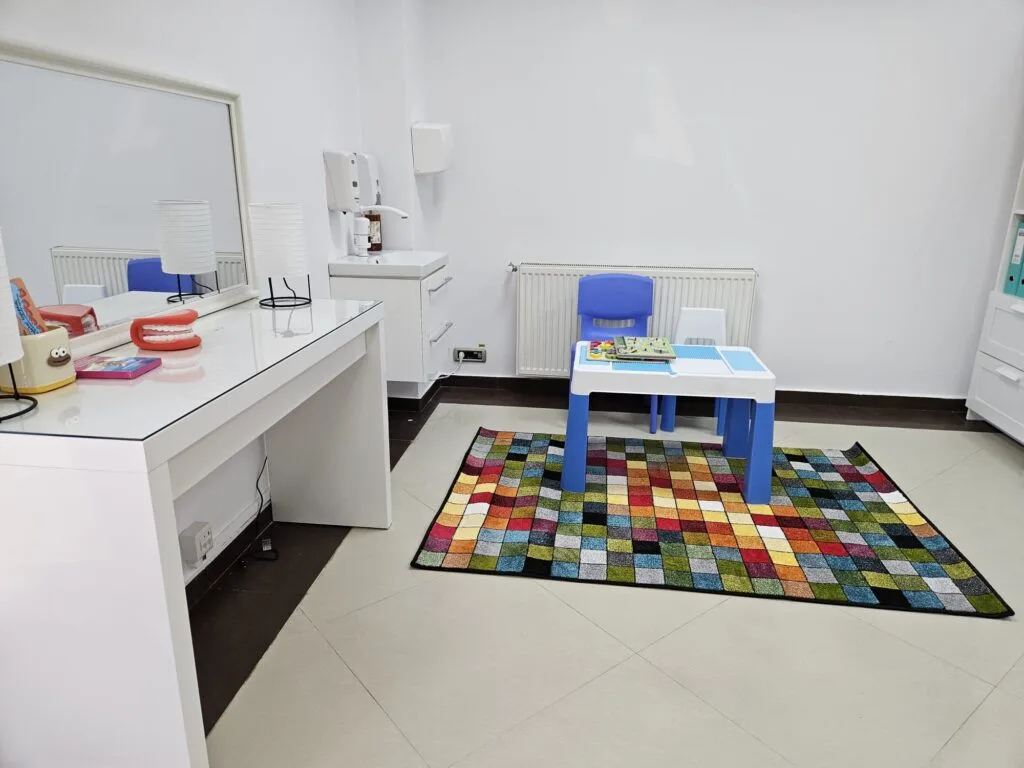
In my practice, every child receives the attention, patience, and support they need, whether they have mild disorders or more complex challenges.


Antoaneta Costache, logoped/psihopedagog și specialist în terapie miofuncțională.
Member of

Member of international professional communities – a guarantee of evidence-based services


10 warning signs

Myofunctional disorders observed in children


  • Does the child breathe through the mouth?
  • Does the child snore?
  • Does the child have difficulty keeping their mouth closed?
  • Does the child have specific pronunciation problems/sounds or words they do not articulate correctly?
  • Does the child have difficulty swallowing?
  • Does the child avoid trying new foods?
  • Does the child tire quickly after running or exertion?
  • Does the child have saliva at the corners of the mouth during the day?
  • Does the child catch colds frequently?
  • Does the child have respiratory allergies?

Did you answer YES to at least one of the questions?

Contact me for a myofunctional assessment
What I do

Offered services


My mission is to support children and their families in developing communication skills, oro-facial functions and self-confidence. I believe each child has unique potential and deserves the opportunity to discover their voice and freely express their thoughts and emotions.

Frequently asked questions
Do you have a question?

Parents' questions


An assessment is recommended when the child shows delays in language development, produces sounds inaccurately, is difficult to understand, or has trouble communicating with others.

The assessment includes case history, standardized tests, and direct observation of the child's language and communication. The goal is to establish a speech-language diagnosis and a personalized intervention plan.

Speech-language therapy consists of interactive sessions in which the child learns to correct pronunciation, expand vocabulary, and improve fluency and expressiveness. Exercises are adapted to the child's age and level.

"What a child can do today with assistance, tomorrow they will be able to do independently. "

How can I help you?
Clara Assistent

Hi, I am Clara, your assistant.